3,633 Kangaroos: Killing Canberra’s Kangaroos

Life on land


Your support will assist us to continue our research and content development, the greater our resources, the more we can do.
The more we have an accurate understanding of what is happening to nature, the more we can all do to protect what remains of our living planet.
This is also an opportunity for philanthropists to be part of an ongoing project that tells independent stories about the natural world, stories that will help us to better understand what is happening to species and places on our precious planet Earth.
Note: Creative Cowboy Films does NOT have tax deductible charity status.
Becoming a member of Creative cowboy films The Nature Knowledge Channel is a very real way you can help the precious natural world and support the work we do in creating knowledge about what is happening to it.

The Nature Knowledge Channel is a very real way you can help the precious natural world and support the work we do in creating knowledge about the natural world.
Annual membership of the Creative cowboy films - Nature Knowledge Channel gives you full access to content, stories and films, available on this website. Becoming a member of the Creative cowboy films - Nature Knowledge Channel is a very real way you can help the natural world and support our work in creating a greater understanding about what is happening to it.
A point of difference
Creative cowboy films is independent, is not funded by governments or industry, and is not influenced by their associated interest groups. For reasons of independent research and content development, Creative cowboy films does NOT have tax deductible charity status.
Life on land
CONTEXT: Ratio of females to males killed in 2025 was significantly higher than in previous years at 58 per cent. The ratio of joeys to females killed in 2025 (69 per cent) was higher than it was in 2024 (66.7 per cent).
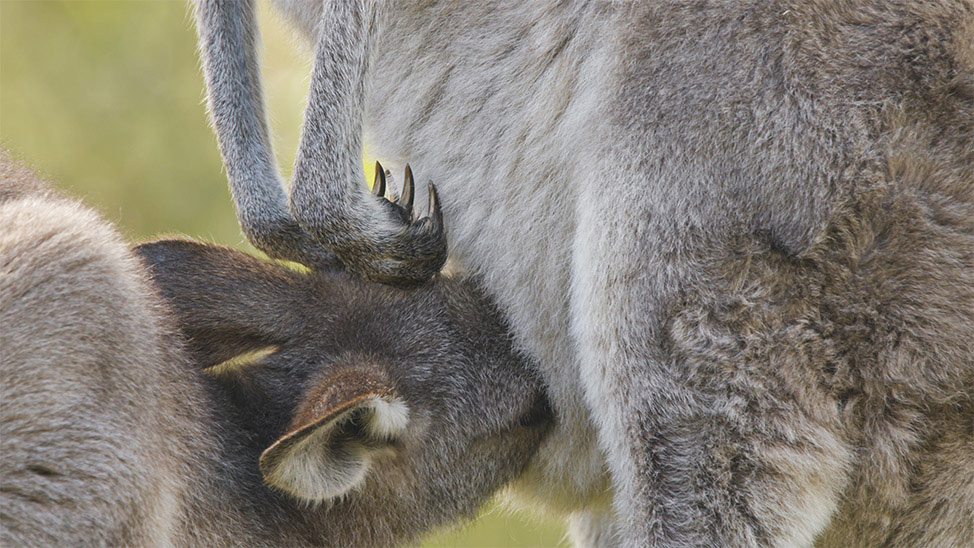
Ratio of females to males slightly higher in 2024 (53.3 per cent were female) than it was in 2023 (51.2 per cent). Ratio of joeys to females killed in 2024 (66.7 per cent) was slightly lower than it was in 2023 (67.9 per cent). As a rough calculation we can estimate that 8,523 dependent joeys (in addition to the adults targeted as part of the ‘program’) were killed by the ACT Government in the period 2015 to 2025. The ACT Government likes to claim that the period chosen for their annual nature reserve Kangaroo killing program is at a time when fewer joeys will be caught up in the slaughter. This is not supported by the data that shows very large numbers of joeys are impacted.
In total 32,413 Kangaroos, including joeys, have been killed in the ACT's 'nature' park system in the period 2015 to 2025. Soon they will all be gone.
A big year for killing Kangaroos in the ACT, no wonder they were so shy about disclosing the details to the Nature Knowledge Channel. There are 15 nature reserves in the firing line this year. Killing commences 9 June 2026 and ends July 31, 2026. The target 3,633 Kangaroos plus their dependent young.
In 2026 the kill is 652 animals more than in 2025 and 2,297 more animals than in 2024 and 2,591 more animals than in 2023 and the highest number targeted since 2019 (joeys not included in these numbers).
The killing of Kangaroos in Canberra’s public parks and reserves since 2015 (not including joeys to 2021) is as follows:
Callum Brae Nature Reserve, Crace Grasslands Nature Reserve, Farrer Ridge Nature Reserve, Goorooyarroo Nature Reserve, Gungaderra Grasslands Nature Reserve, Isaacs Ridge Nature Reserve, Jerrabomberra East Grasslands Nature Reserve, Jerrabomberra West Grasslands Nature Reserve, Mount Ainslie Nature Reserve, Mulanggari Grasslands Nature Reserve, Mulligans Flat Woodland Sanctuary, Mount Majura Nature Reserve, Mount Mugga Mugga Nature Reserve, Red Hill Nature Reserve, The Pinnacle Nature Reserve.
Each and every year, I am always shocked that the Greens believe this drivel”. Peter Hylands
The Greens in Canberra have been a significant supporter of the mass killing of Kangaroos in the ACT based on the ‘science’. This year from Canberra Greens MLA, Leader of the ACT Greens, Jo Clay to Peter Hylands 5 June 2026:
“For us, any question of animal management should be looked at in the context of the whole ecosystem and what is needed to best protect our environment. If evidence says that animal management is essential to protect our environment or other animals, then we have a duty to undertake that while meeting the best animal welfare standards we can. Unfortunately, human impacts on our ecosystem, particularly from urban expansion, have seen our native grasslands isolated, fragmented and shrinking. Evidence shows that without management, grasslands and other species that rely on them are likely to be overgrazed and come under threat from dense Kangaroo populations in urban reserves. Kangaroo management has been part of the ACT’s environmental management for some time”.

16 reserves were closed and 2,978 Kangaroos were killed. Ratio of females to males killed in 2025 is significantly higher than in previous years. In total 32,413 Kangaroos, including joeys, have been killed in the ACT's 'nature' parks since 2015.
Baffling as it may seem the ACT Greens have been a central force in the eradication of Kangaroos in the Canberra / ACT park system. This year's kill is more than double the 2024 target and nearly triple the 2023 target.
The plan: Seven nature reserves across the ACT will be closed from 9 June until 1 August 2024 for the ACT’s annual Kangaroo Management Program.
Professor Steve Garlick, Possumwood Wildlife, compares the Queanbeyan Nature Reserve (NSW) and the adjoining Jerrabomberra East Grasslands Nature Reserve (ACT).
“People don't do such things!” Henrik Ibsen. Well in Canberra, it appears they do.
In 2019 just over 4,000 Kangaroos were killed in these parks, in 2020 it was 1,958.