Blue Ant

Life on land


Your support will assist us to continue our research and content development, the greater our resources, the more we can do.
The more we have an accurate understanding of what is happening to nature, the more we can all do to protect what remains of our living planet.
This is also an opportunity for philanthropists to be part of an ongoing project that tells independent stories about the natural world, stories that will help us to better understand what is happening to species and places on our precious planet Earth.
Note: Creative Cowboy Films does NOT have tax deductible charity status.
Becoming a member of Creative cowboy films The Nature Knowledge Channel is a very real way you can help the precious natural world and support the work we do in creating knowledge about what is happening to it.

The Nature Knowledge Channel is a very real way you can help the precious natural world and support the work we do in creating knowledge about the natural world.
Annual membership of the Creative cowboy films - Nature Knowledge Channel gives you full access to content, stories and films, available on this website. Becoming a member of the Creative cowboy films - Nature Knowledge Channel is a very real way you can help the natural world and support our work in creating a greater understanding about what is happening to it.
A point of difference
Creative cowboy films is independent, is not funded by governments or industry, and is not influenced by their associated interest groups. For reasons of independent research and content development, Creative cowboy films does NOT have tax deductible charity status.
Life on land
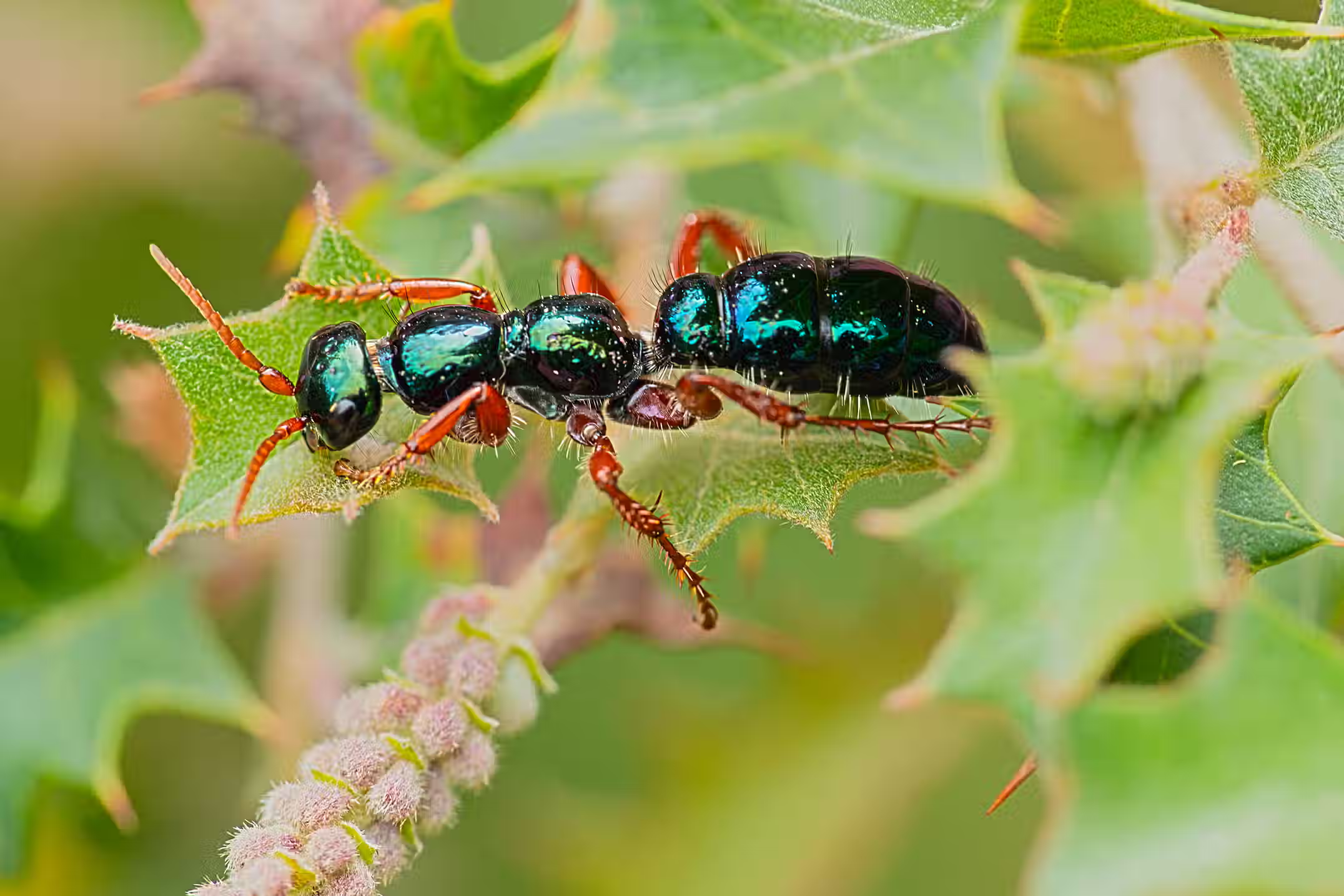
The Blue Ant, Diamma bicolor, is a solitary parasitoid wasp endemic to south eastern Australia. The Blue Ant displays the intriguing biology and ecological significance of its flower wasp family (Tiphiidae), including the wasp’s role in pollination as it feeds on nectar. The thorax and abdomen of the Blue Ant are metallic blue, while the antennae and legs are reddish orange in colour. Females are wingless and resembles a large ant, solitary in their hunt for Mole Crickets which are the food source for Blue Ant larvae. (Mole Crickets are nocturnal burrowing insects related to locusts, grasshoppers and other crickets).
Females are larger (up to 25 mm), strongly built, wingless, and resemble large ants.
Males are smaller (12-15 mm), slender, and possess clear wings but are rarely seen. Males are less robust and spend less time on the ground compared to females.
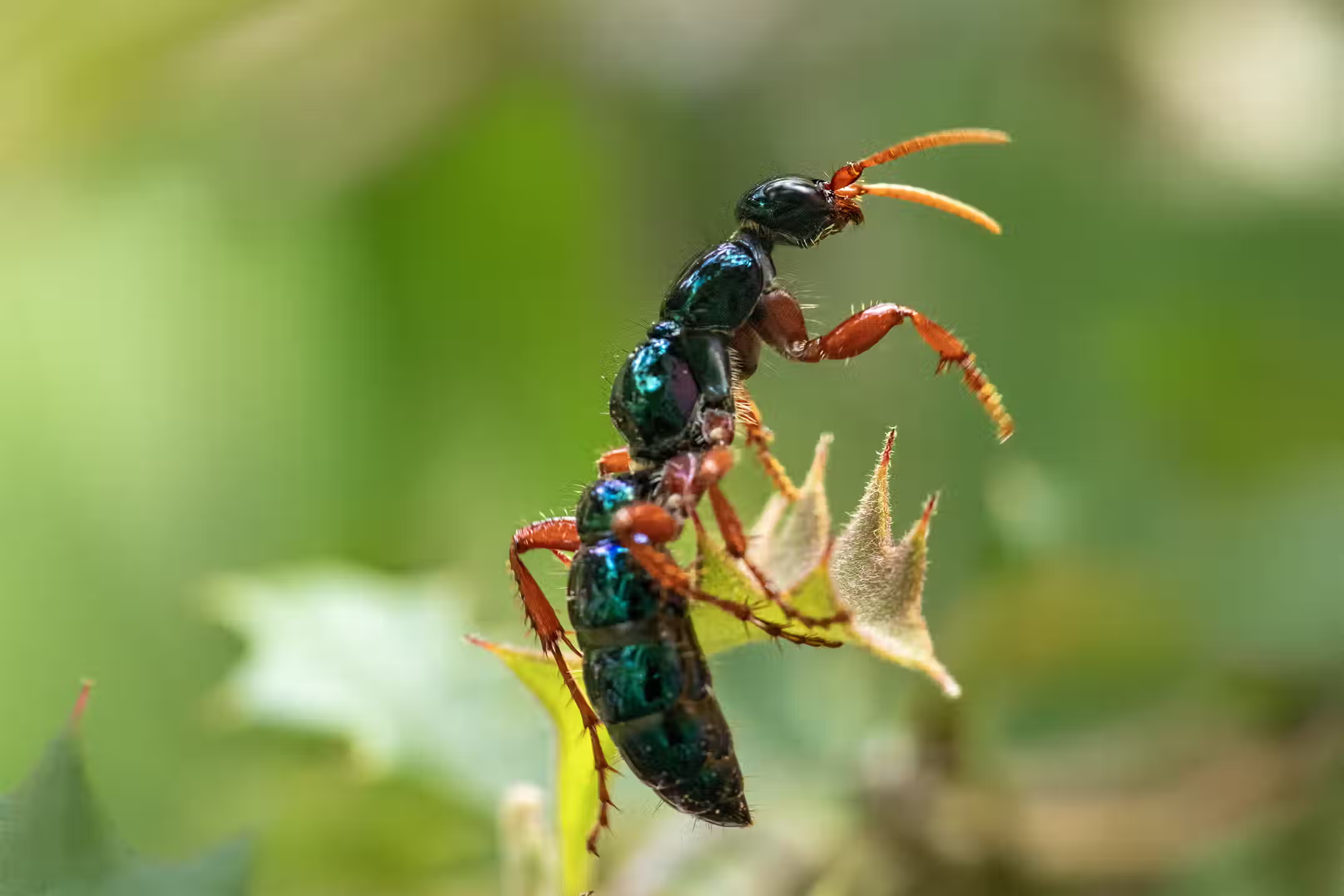
Reproduction: After mating, the female Blue Ant searches for Mole Crickets which are stung and hence paralysed, once the egg is laid, the host is buried. As it develops, the Blue Ant larva consumes the paralysed cricket.
Development: The larva pupates within the burrow, emerging as an adult in late spring to summer. Adults are mostly seen from late spring to early autumn.
Diet: Adults feed on nectar from various flowers while larvae are parasitoids.
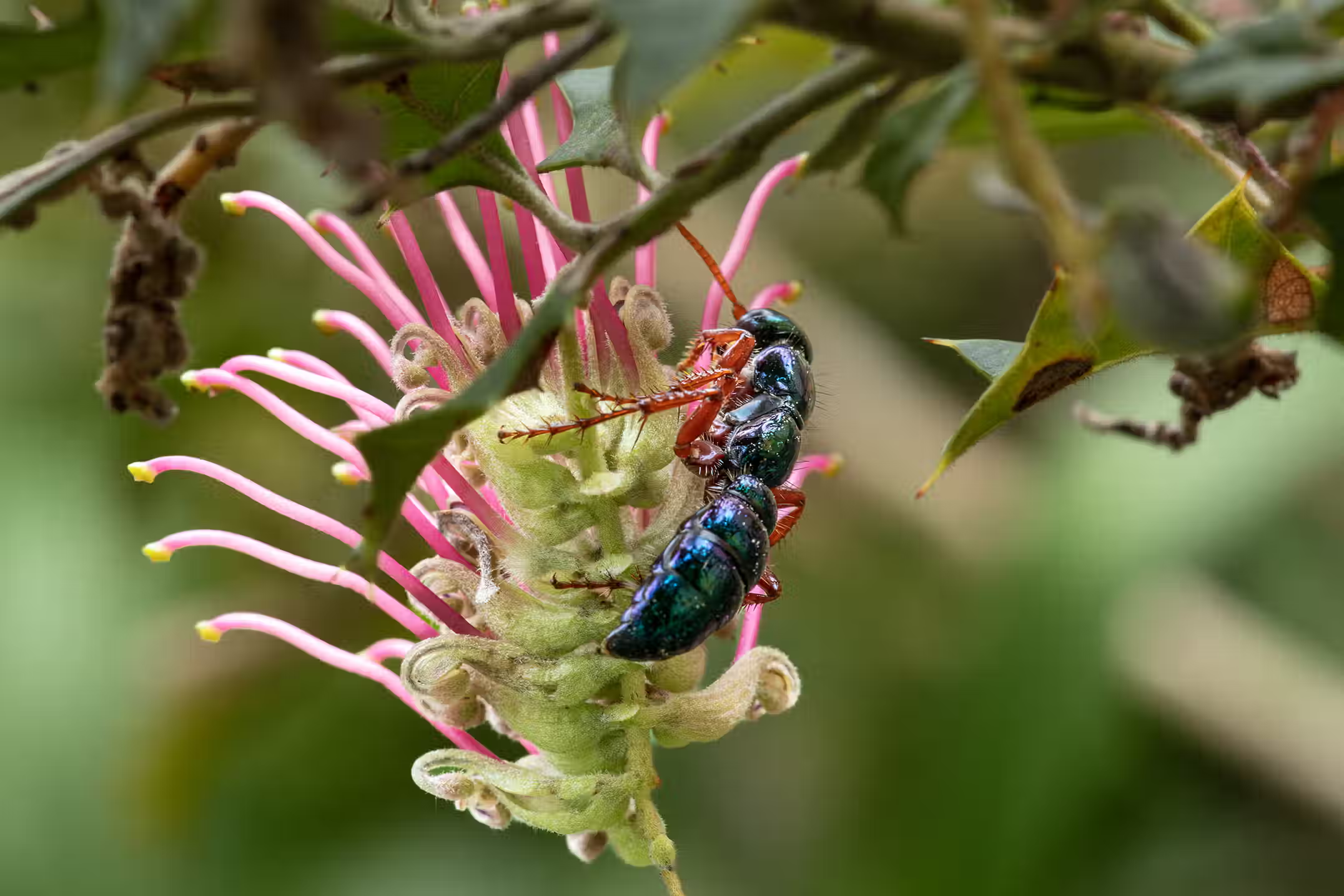
Endemic to south eastern Australia, found primarily in:
