Avian Influenza (H5N1) and Australia

Life in the air


Your support will assist us to continue our research and content development, the greater our resources, the more we can do.
The more we have an accurate understanding of what is happening to nature, the more we can all do to protect what remains of our living planet.
This is also an opportunity for philanthropists to be part of an ongoing project that tells independent stories about the natural world, stories that will help us to better understand what is happening to species and places on our precious planet Earth.
Note: Creative Cowboy Films does NOT have tax deductible charity status.
Becoming a member of Creative cowboy films The Nature Knowledge Channel is a very real way you can help the precious natural world and support the work we do in creating knowledge about what is happening to it.

The Nature Knowledge Channel is a very real way you can help the precious natural world and support the work we do in creating knowledge about the natural world.
Annual membership of the Creative cowboy films - Nature Knowledge Channel gives you full access to content, stories and films, available on this website. Becoming a member of the Creative cowboy films - Nature Knowledge Channel is a very real way you can help the natural world and support our work in creating a greater understanding about what is happening to it.
A point of difference
Creative cowboy films is independent, is not funded by governments or industry, and is not influenced by their associated interest groups. For reasons of independent research and content development, Creative cowboy films does NOT have tax deductible charity status.
Life in the air
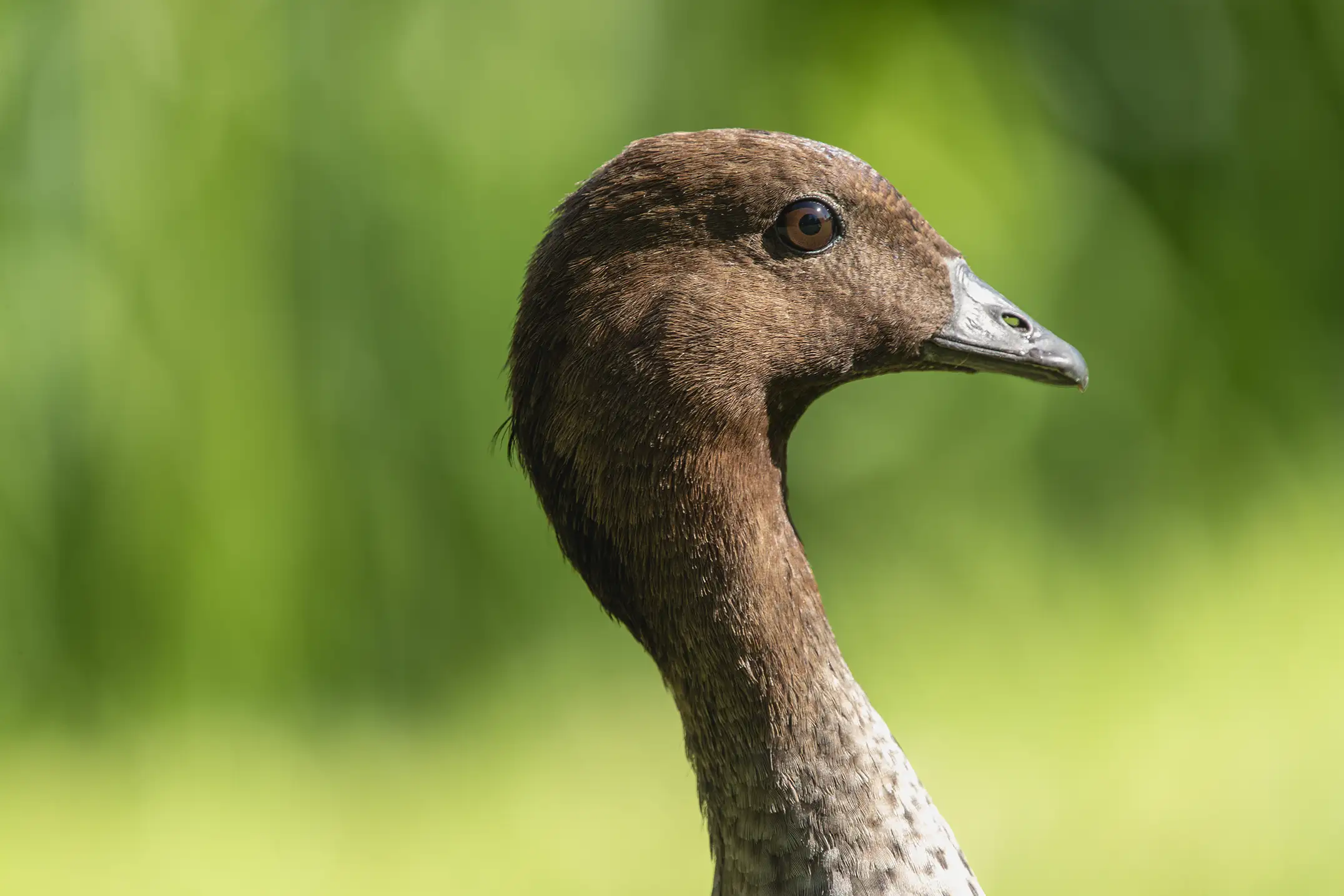
Context: In Victoria seven Duck species were targeted in 2025, seven duck species were targeted in 2026. Six duck species were targeted in 2024. The total number of ‘protected’ Australian ducks shot in 2025 was estimated (Victorian Government) at 487,800 ducks. In that year the government reports that 457,400 Stubble Quail shot in Victoria.
Despite yet another looming disaster for Australia’s protected bird species, in Victoria, which is not the place to be if you happen to be a bird, and on the same day the possibility that H5N1 had arrived in Australia was announced, the Victorian Government passed its Outdoor Recreation Victoria Bill 2026. The Bill abolishes the Game Management Authority and Victorian Fisheries Authority and creates a new statutory authority, ‘Fishing, Hunting and Outdoor Victoria’, which will hold the contradictory responsibilities of promoting and regulating hunting. Birds are in the front line of fire. The Bill as just the latest example of the major political parties in Victoria letting the hunting and shooting lobbies dictate public land policy. Previous examples include abolishing the Victorian Environmental Assessment Council, handing land in national parks to game hunters and continuing the state’s annual duck shooting season, despite an overwhelming consensus among the general public and Victoria’s politicians that duck shooting in the state should cease.
On 19 June 2026, Australia reported the possibility that Avian influenza H5N1 had arrived on the Australian mainland. Just one day later our worst fears were confirmed.
Wild bird populations in Australia are already stressed by climate change, large scale hunting for recreation in three states and one territory, the significant use of harms permits to kill large numbers of wild birds, land clearing and deforestation, all of which are responsible for the deaths of hundreds of thousands of protected native birds each year.
Before we succumb to the usual Australian propaganda about wild birds, we should remember that the origin of all severe pathogenic Avian Influenzas can be traced back to poultry farms, and that includes H5N1, first described in 1996.
Avian influenza H5N1 has recently caused a devastating mass-mortality event on Heard Island, an Australian external territory, killing over 13,000 Southern Elephant Seal pups and resulting in the loss of over 75 per cent of their population on the island. Genomic sequencing conducted by the Australian Antarctic Division confirmed the presence of the highly pathogenic Influenza A H5N1 strain as the causative agent. Additionally, the virus has affected a range of other marine species in the region, including Antarctic Fur Seals, King Penguins, and Gentoo Penguins.
Since 2021, highly pathogenic Avian Influenza (H5N1) has had a profound and devastating impact on wild bird populations across the world, with the United Kingdom standing as a stark example of the potential consequences for biodiversity, agriculture, and biosecurity. The UK has experienced mass mortality events among wild birds, with tens of thousands of individuals lost and entire populations of certain species experiencing dramatic declines. Seabirds, waterbirds and raptors have been particularly susceptible, with some species, such as Great Skuas, with significant nesting sites in the UK, experiencing reductions of up to three-quarters at monitored sites. Die-offs have been observed across key colonies, with catastrophic effects in iconic bird populations such as Puffins, Guillemots, Sandwich Terns and Northern Gannets. Early outbreaks also wiped out large proportions of migratory geese, while birds of prey like the White-tailed Eagle succumbed after consuming infected carcasses.
The scale of the ongoing H5N1 outbreak is without precedent: since October 2021, an estimated 280 million birds have died worldwide according to the World Animal Health Information System, representing one of the most significant sudden drops in global avian populations in decades.
Wild bird deaths number in the millions, with entire generations lost in vulnerable and geographically restricted species. The epidemic’s reach is global, after originating in Asia and striking Europe and the UK, it spread rapidly to North America, then through South America and even to Antarctic islands. Losses have not been limited to birds, mass mortality has occurred among mammals as well, with devastating die-offs of Sea Lions and Elephant Seals in South America and sporadic infections among terrestrial mammals in Europe and North America.
The spread of H5N1 has forced the UK to adopt stringent biosecurity measures and large-scale surveillance and response activities. The government and organisations such as the Royal Society for the Protection of Birds (RSPB), along with the Animal and Plant Health Agency (APHA), have implemented and periodically revised Avian Influenza Prevention Zones (AIPZs), restricting bird gatherings and monitoring wild and captive bird populations. Although some of these restrictions have recently been lifted following rigorous control efforts and improved risk assessments, the UK is no longer considered free from HPAI, underscoring the persistent epidemiological threat. Ongoing surveillance, rapid reporting, and stringent biosecurity remain cornerstones of the national response as the virus continues to circulate at low levels and periodic outbreaks persist.
H5N1 continues to be reported across a wide range of habitats and continents, with notable “black boxes” in surveillance capacity, particularly in parts of Africa and Asia. Nevertheless, the overall trend is clear: H5N1 has shown extraordinary capacity to move quickly between continents and species, occasionally spilling over into mammals, raising concerns about potential adaptation to new hosts, including humans.
The emergence of H5N1 in Western Australia, should current tests on wild birds prove positive, would mark a significant and worrying shift for Australia. To date, Australia and New Zealand have avoided large-scale outbreaks seen elsewhere, attributed in part to geographic isolation. However, the UK’s experience illustrates that, once established, H5N1 can have catastrophic consequences for both wildlife and poultry sectors. Immediate outcomes in Australia could therefore include mass mortality events among native and migratory bird populations, with especially severe impacts on colony-breeding seabirds and other vulnerable species. As in the UK, the risk is not just ecological; substantial economic impacts are anticipated, particularly within the commercial poultry and egg industries, with the potential for culling and strict movement controls.
Australia can also expect that conservation and animal health agencies will need to ramp up surveillance, introduce targeted prevention zones, and rapidly disseminate information and guidance to bird keepers and the public. Lessons from the UK highlight the importance of rapid detection, timely reporting, and robust biosecurity to curtail spread. Affected areas may see the introduction of local restrictions on the movement of birds, gatherings, and potentially even public access to important wildlife sites. Furthermore, monitoring of wild mammals and other non-avian wildlife will become increasingly important.
While the risk to human health remains very low and there is no indication of widespread human-to-human transmission, the experience in other regions underscores the importance of ongoing vigilance. Public health messaging will need to reinforce the core advice: avoid contact with dead or sick birds, report mortality events, and continue to practise high standards of hygiene, especially for those in close proximity to wild birds or commercial flocks.
Finally, the UK scenario demonstrates that H5N1 outbreaks can persist for multiple seasons and recovery for affected species may take years. Australia’s preparedness, rooted in lessons learned from Europe, North America, and beyond, will be critical to minimising the long-term impact of a potential incursion and ensuring coordinated action across conservation, agriculture, and public health sectors.

The Victorian Government estimates show that 37 per cent of the Pink-eared Duck population was killed for ‘recreation in 2025. It remains as a target in 2026.
The Victorian Government claims that 849,300 native Australian birds were killed for the sole purpose of recreation in Victoria in 2024, this year is set to be worst.