ACT and Kangaroo killing: What did recent enquiry submissions say?

Life on land


Your support will assist us to continue our research and content development, the greater our resources, the more we can do.
The more we have an accurate understanding of what is happening to nature, the more we can all do to protect what remains of our living planet.
This is also an opportunity for philanthropists to be part of an ongoing project that tells independent stories about the natural world, stories that will help us to better understand what is happening to species and places on our precious planet Earth.
Note: Creative Cowboy Films does NOT have tax deductible charity status.
Becoming a member of Creative cowboy films The Nature Knowledge Channel is a very real way you can help the precious natural world and support the work we do in creating knowledge about what is happening to it.

The Nature Knowledge Channel is a very real way you can help the precious natural world and support the work we do in creating knowledge about the natural world.
Annual membership of the Creative cowboy films - Nature Knowledge Channel gives you full access to content, stories and films, available on this website. Becoming a member of the Creative cowboy films - Nature Knowledge Channel is a very real way you can help the natural world and support our work in creating a greater understanding about what is happening to it.
A point of difference
Creative cowboy films is independent, is not funded by governments or industry, and is not influenced by their associated interest groups. For reasons of independent research and content development, Creative cowboy films does NOT have tax deductible charity status.
Life on land
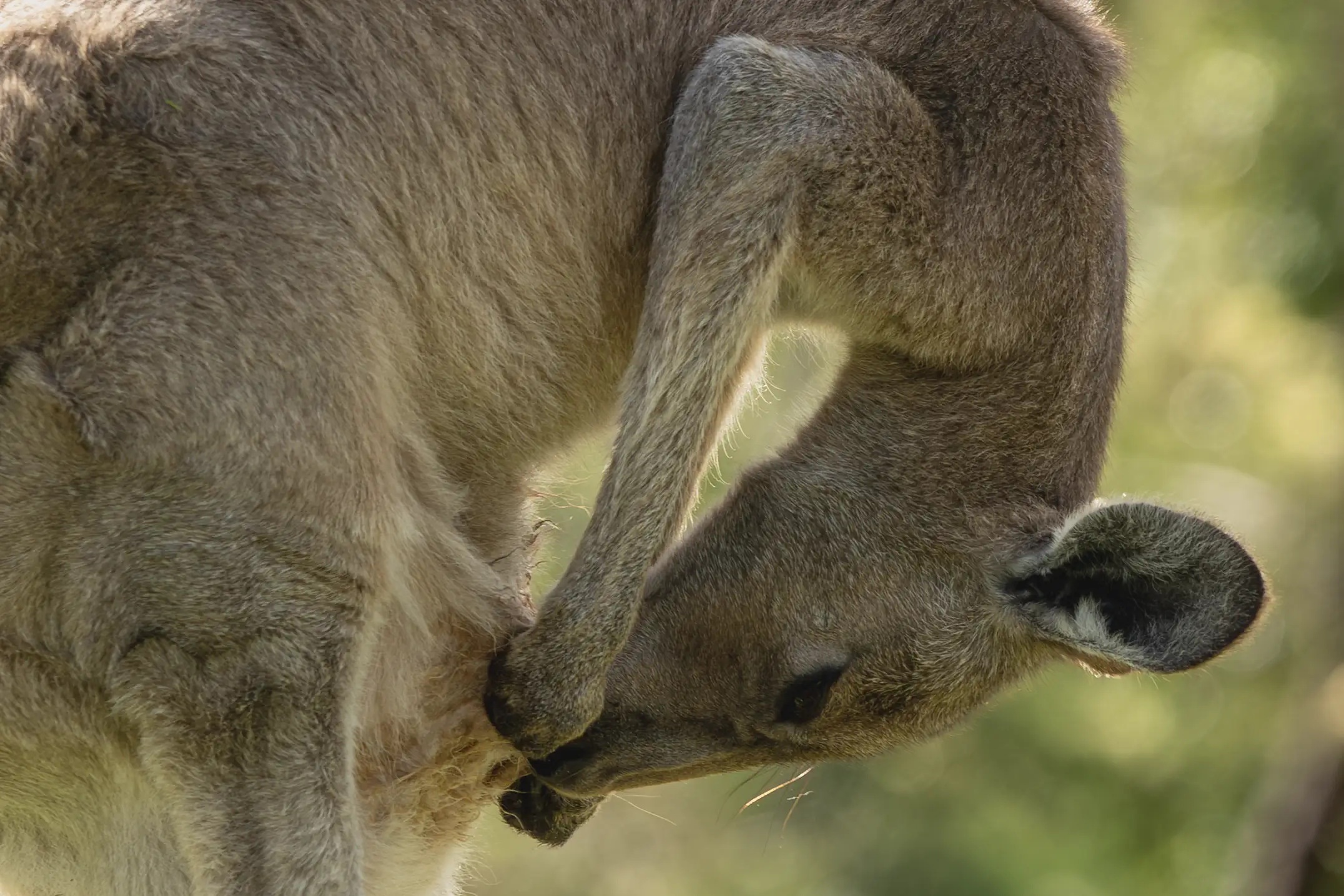
CONTEXT: 2026 in the ACT is yet another big year for killing Kangaroos, no wonder they were so shy about disclosing the details of their plans to the Nature Knowledge Channel. There are 15 nature reserves in the firing line this year. Killing commences 9 June 2026 and ends July 31, 2026. The target 3,633 Kangaroos plus their dependent young.
In 2026 the kill is 652 animals more than in 2025 and 2,297 more animals than in 2024 and 2,591 more animals than in 2023 and the highest number targeted since 2019 (joeys not included in these numbers).
Summary and Analysis of the ACT Government’s Kangaroo Management Policy
The ACT Government's ongoing approach to Kangaroo ‘management’, as outlined in the draft Eastern Grey Kangaroo Controlled Native Species Management Plan, is a policy that is likely to cause broad environmental harm under the guise of ecosystem management. Not withstanding extensive public consultation and community engagement, the Government appears committed to the large-scale killing of Kangaroos throughout Canberra’s reserves and nature parks, regardless of substantive objections raised by submissions.
The draft plan seeks to continue the lethal management of the Eastern Grey Kangaroo, updating the 2017 plan created after the species was declared ‘controlled’ under the Nature Conservation Act 2014. While the stated objectives include addressing perceived negative environmental, economic, and social impacts, as well as Kangaroo welfare, these justifications are repeatedly challenged by conservationists and the wider public on both ethical and scientific grounds. Notably, community consultation, although thorough in process, has not influenced the Government’s predetermined direction, with critics justifiably viewing the process as performative rather than genuine.
Of the 247 written submissions received, the overwhelming majority expressed strong opposition to the continued killing of Kangaroos, citing their ecological importance, cultural significance, and the lack of credible evidence supporting the need for lethal control. Submissions highlighted significant flaws in both the data and the methodologies used in support of the policy, asserting that the real drivers of any ecological imbalances are habitat loss, urban development, and historical land management practices, not Kangaroo populations themselves.
A core theme in the submissions was the ethical and welfare concerns associated with the ongoing killing program. Many respondents underscored the inherent cruelty and questionable justification for killing healthy, sentient animals, noting the stress, trauma, and disruption caused to Kangaroo populations, particularly to young animals. There was marked support for non-lethal alternatives, such as fertility control, translocation, and improved coexistence strategies.
Furthermore, the process’s credibility has been questioned due to what many perceive as a lack of transparency, independence in research, and insufficient public reporting. The submissions also revealed a deep sense of community distress and alienation, with many residents’ reporting trauma associated with knowing that the killing of animals they loved was occurring, and sometimes within meters of their homes, including the widespread perception that opposing view points are systematically disregarded.
The draft policy purports to incorporate Indigenous knowledge and values, yet submissions suggest this inclusion is superficial, calling for far greater recognition and influence by Ngunnawal Traditional Custodians in the design and implementation of the plan.
In summary, the current plan appears to be less an exercise in responsible ecological stewardship than an institutionalised framework to sustain the killing of Kangaroos at scale, in apparent disregard for robust scientific critique and public opposition. As such, it risks inflicting significant and lasting harm on the ACT environment and community trust, while setting a concerning precedent for wildlife conservation elsewhere.

In 2026 the kill is 652 animals more than in 2025 and 2,297 more animals than in 2024 and 2,591 more animals than in 2023 and the highest number targeted since 2019 (joeys not included in these numbers).
Baffling as it may seem the ACT Greens have been a central force in the eradication of Kangaroos in the Canberra / ACT park system. This year's kill is more than double the 2024 target and nearly triple the 2023 target.