California and Kangaroos: An update from Wayne Pacelle

Life on land


Your support will assist us to continue our research and content development, the greater our resources, the more we can do.
The more we have an accurate understanding of what is happening to nature, the more we can all do to protect what remains of our living planet.
This is also an opportunity for philanthropists to be part of an ongoing project that tells independent stories about the natural world, stories that will help us to better understand what is happening to species and places on our precious planet Earth.
Note: Creative Cowboy Films does NOT have tax deductible charity status.
Becoming a member of Creative cowboy films The Nature Knowledge Channel is a very real way you can help the precious natural world and support the work we do in creating knowledge about what is happening to it.

The Nature Knowledge Channel is a very real way you can help the precious natural world and support the work we do in creating knowledge about the natural world.
Annual membership of the Creative cowboy films - Nature Knowledge Channel gives you full access to content, stories and films, available on this website. Becoming a member of the Creative cowboy films - Nature Knowledge Channel is a very real way you can help the natural world and support our work in creating a greater understanding about what is happening to it.
A point of difference
Creative cowboy films is independent, is not funded by governments or industry, and is not influenced by their associated interest groups. For reasons of independent research and content development, Creative cowboy films does NOT have tax deductible charity status.
Life on land
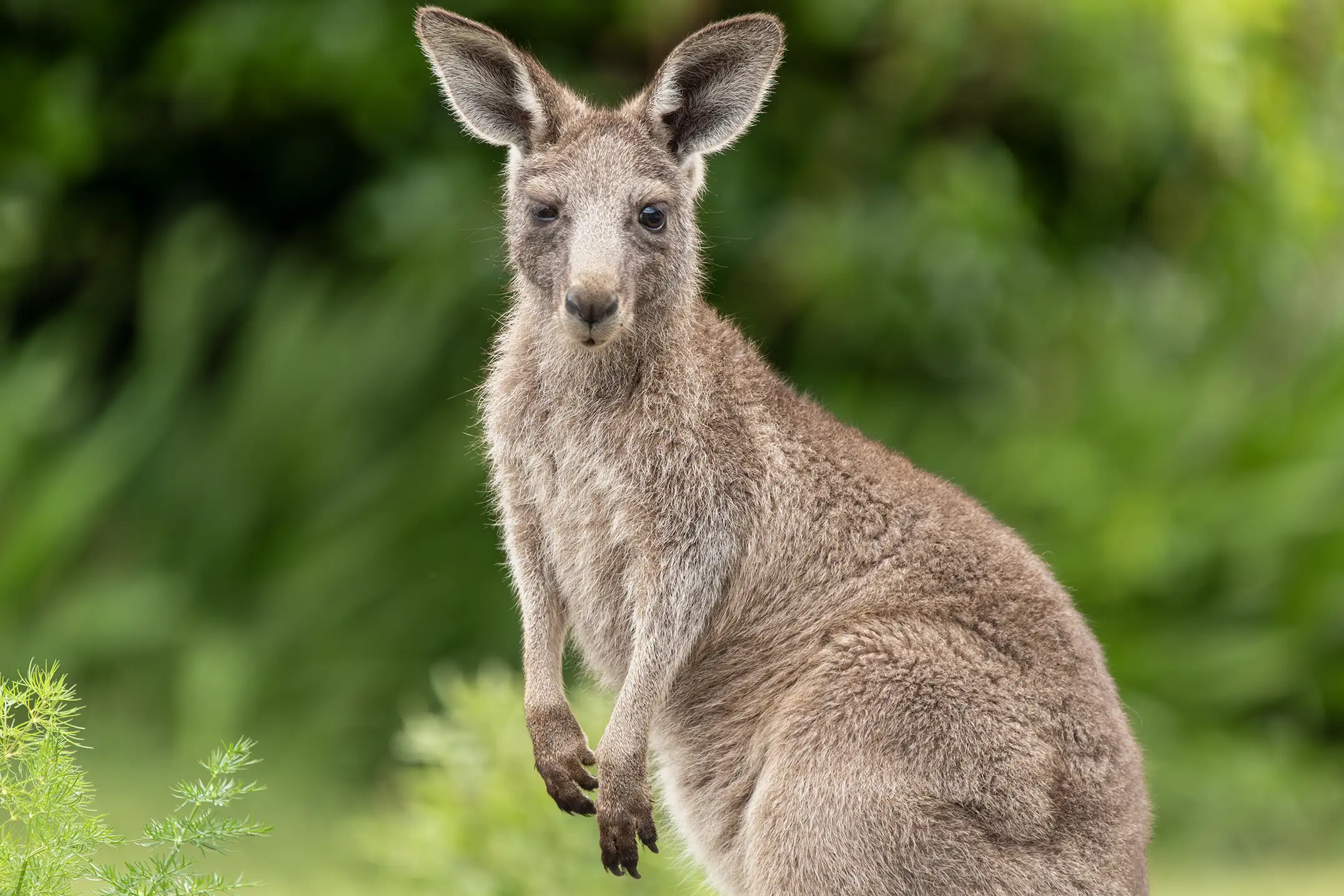
CONTEXT: Since enactment more than a half century ago, California’s law has been a target for Australia, and it worked with Adidas to win some periodic suspensions of the law over the decades. With an assist from Australia, Adidas even brought a case challenging the state law to the California Supreme Court in 2007. The high court upheld the law, and in 2016, the state legislature put its foot down and quashed any further attempts to suspend the original law forbidding trade in Kangaroo parts.
As a result of the Center for a Humane Economy’s Kangaroos Are Not Shoes campaign, nine global athletic shoe brands, Adidas, Nike, New Balance, Puma, ASICS, Diadora, Mizuno, Umbro, and Sokito have agreed to end or phase out sourcing Kangaroo skins for their soccer shoes.
Peter Hylands writes, our relationship with the US extends back to the music of San Francisco in the 1960, to our publishing efforts in the 1970s and 1980, to the arts and the Internet in the 1990s and beyond, in the 2000s with film and as long term judges of the US web awards, and in the last decade or more, our work with animals. For much of that time, our once home in Central Victoria, now lost to Australia’s culture and nature wars, a long term home which became a kind of international hub for cultural and business meetings, the nature of Australia in its fields and forest and of knowledge sharing, was often filled with American voices, publishing staff and colleagues, artists and writers, groups from the Smithsonian and the Oakland Museum of California and on it went. I can’t remember the exact circumstances of how and when we met our friends from the Center for a Humane Economy, but I do know that back then we were struggling to help Kangaroos and the people caught up in the distress of all the killing. So yet again we come to see the importance of international friendships, of bringing the world together in justice, compassion, kindness and leadership. Enough from me, I will hand you over to Wayne.
This section was added 23 April 2026.
Ill-timed bill comes just months after the biggest athletic shoe brands, including Nike, New Balance, and Adidas, halt their sourcing of Kangaroo skins for soccer shoes
SACRAMENTO, Calif. — The California Senate Natural Resources and Water Committee dismissed a desperate, ill-considered legislative gambit to repeal California's long-standing, court-tested prohibition on the import, sale, and possession of Kangaroo parts. The 1971 law, restricting trade in Kangaroo parts and a range of other species subjected to commercial exploitation, remains intact and the California market completely closed to skins, meat, and other Kangaroo parts moved in trade.
SB 1212, introduced by state Sen. Brian Jones, R-40, San Diego County, would have dismantled a law that has anchored California's role as a national leader in wildlife protection for more than five decades. The bill's defeat preserves a prohibition that bans any commerce in Kangaroo products within the state, a standard the Center for a Humane Economy and Animal Wellness Action have long fought to maintain and expand.
"Some lawmakers have particularly bad timing and that’s the case with Senator Jones’ gambit to gut California’s limits on the trade in Kangaroo parts," said Wayne Pacelle, president of Animal Wellness Action and the Center for a Humane Economy. "This plan was dead on arrival, and its primary effect is to spur the Center for a Humane Economy to work to replicate that law in other states and to push for the federal Kangaroo Protection Act. Commercial trade in wildlife parts is at odds with U.S. values".
"Kangaroos are iconic, sentient animals, not commodities. Today's vote ensures California will not be complicit in an industry built on their suffering," said Judie Mancuso, founder of Social Compassion in Legislation, which has a major presence on a wide range of animal welfare issues in Sacramento.
The commercial Kangaroo slaughter industry in Australia has long sought access to U.S. markets. The Center for a Humane Economy and Animal Wellness Action have led the charge against this trade, achieving landmark corporate commitments from nine of the world's largest athletic shoe brands to end or phase out sourcing Kangaroo skins for soccer shoes. That campaign, launched in 2020, reversed the procurement strategies of companies that collectively supply footwear to an estimated 1 billion soccer players throughout the world.
The commercial Kangaroo shoot violates the most basic animal welfare standards. Australian law mandates a single shot to the head, but night-shoot conditions make compliance impossible—up to 40 percent of animals are mis-shot and escape to die slowly from their injuries. Dependent joeys are killed as collateral casualties and discarded; those that flee when their mothers are shot die from starvation and predation. The industry operates without meaningful oversight, and its cruelty is not in dispute.
"Adidas, Nike, Puma, ASICS, Diadora, New Balance, and Sokito have stopped producing shoes made with kangaroo skins,” said Jennifer Skiff, director of international programs at the Center for a Humane Economy. Umbro is stopping in a few months, and Mizuno is in the process of phasing out. When the biggest names in athletic footwear walk away from a product, they are making a statement about the industry behind it. California's lawmakers are on board. Congress should get in on the act".
The Center for a Humane Economy and Animal Wellness Action are advancing the federal Kangaroo Protection Act, H.R. 1992/S. 2162, bipartisan legislation that would make California's standard the law of the land by prohibiting the commercial sale of Kangaroo products nationwide. The bill is led by Rep. Brian Fitzpatrick, R-Pa., and Rep. Jan Schakowsky, D-Ill., in the House, and Sens. Tammy Duckworth, D-Ill., and Cory Booker, D-NJ., in the Senate.
Just a few years ago, approximately 1.7 million Kangaroos were killed annually for commercial purposes, along with hundreds of thousands of dependent joeys. That number has dropped significantly as a result of corporate policy changes and public pressure. The defeat of SB 1212 ensures California will not reverse that progress.
In recent months, I shared thrilling news of progress in our Kangaroos Are Not Shoes campaign: we ran the table with the nine global athletic shoe brands, Adidas, Nike, New Balance, Puma, ASICS, Diadora, Mizuno, Umbro, and Sokito. We did so by getting each of them to agree to end or phase out sourcing Kangaroo skins for their soccer shoes.
We launched our campaign in 2020, and in five years, we turned around the procurement strategies of some of the biggest brands in the world. These companies supply footwear to a billion soccer players in 190 countries.
But in all my years working for animals, I’ve learned never to let my guard down. Commercial-use industries don’t just fade away; they fight to reclaim lost ground.
And sure enough, a rearguard effort is now underway. The government of Australia, a relentless promoter of Kangaroo killing for commerce, and our most powerful adversary in this fight, is the likely driver of the latest efforts to revive global markets for its commercial Kangaroo killing industry.
Somehow it persuaded California state Sen. Brian Jones, R- 40, to introduce legislation to unwind a state statute that forbids any commerce in Kangaroo parts in the state. The Jones bill, SB 1212, would repeal California’s landmark prohibition on the import, sale, and possession with intent to sell Kangaroo parts. You can contact Sen. Jones and express your displeasure with his scheme to repeal one of the nation’s most consequential wildlife protection laws and ask him to withdraw it.
What makes this effort even more insidious, and troubling, is that it runs directly counter to growing momentum here in the United States to expand, not weaken, protections for Kangaroos, manifest through our corporate wins in the athletic shoe sector and through our legislative advocacy at the federal level.
In Congress, we worked to introduce bipartisan legislation, the Kangaroo Protection Act (H.R. 1992/S. 2162), to make California’s policy a nationwide standard by banning the commercial sale of Kangaroo body parts across the country. Led by Brian Fitzpatrick, R-Pa., and Jan Schakowsky, D-Ill., in the House and Tammy Duckworth, D-Ill., and Cory Booker, D-N.J., in the Senate, the bills reflect a simple principle: the United States should not serve as a major market for products derived from the mass commercial slaughter of wildlife.
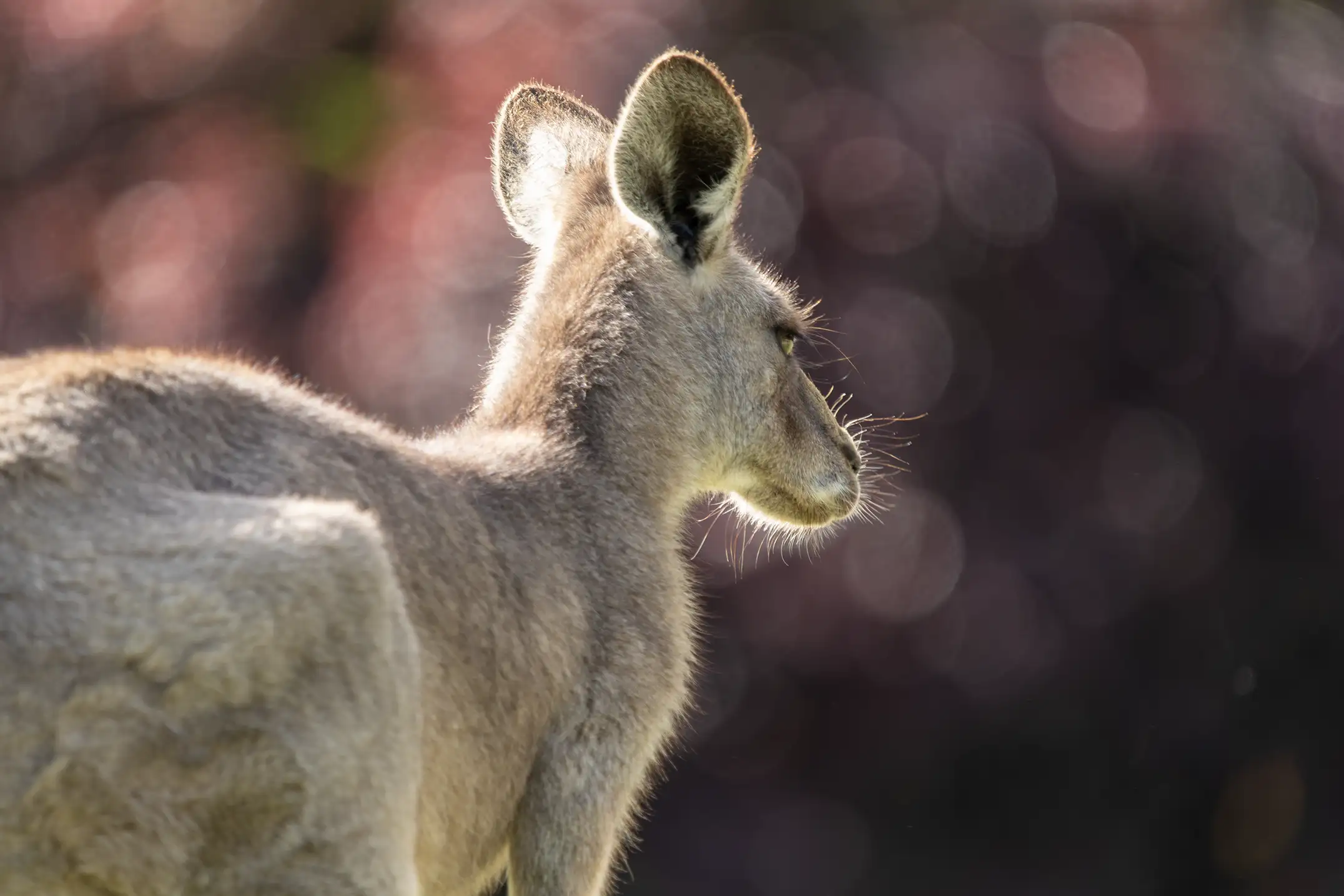
Just a few years ago, approximately 1.7 million Kangaroos were killed annually for commercial purposes, along with hundreds of thousands of dependent joeys, bludgeoned or decapitated or left to perish.
Today, that number has dropped significantly, a direct result of corporate policy changes, public pressure, and legislative action. And as the athletic shoe companies’ policies really kick in, they will further diminish export volumes for the commercial Kangaroo-killing industry.
But Senator Jones’ bill seeks to send us in the wrong direction. And while we know that the soccer shoe market is closed off to the Kangaroo parts industry, there are other products made from Kangaroos: pet food, handbags, boots, and gloves. That’s why maintaining the California law is so important and why we also must pass the federal Kangaroo Protection Act.
California’s law is especially important because it is comprehensive. California’s law forbidding any Kangaroo parts commerce demonstrates that nobody needs Kangaroo skins or other parts to do business, to feed their pets, to buy functional footwear or any other products for their lifestyle choices. There are plenty of alternatives in every product category.
Since enactment more than a half century ago, California’s law has been a target for Australia, and it worked with Adidas to win some periodic suspensions of the law over the decades. With an assist from Australia, Adidas even brought a case challenging the state law to the California Supreme Court in 2007. The high court upheld the law, and in 2016, the state legislature put its foot down and quashed any further attempts to suspend the original law forbidding trade in Kangaroo parts.
With the athletic shoe companies now reversing their position on the Kangaroo parts trade, the Aussie government and the Kangaroo-killing industry are now back in the forefront in trying to weaken California’s law and reopen that massive market. They want to expand a wildlife-parts trade built on nighttime shootings of wild animals, practices that cause widespread suffering, from wounded Kangaroos left to slowly die to joeys left orphaned and helpless.
At Animal Wellness Action and the Center for a Humane Economy, we have worked side-by-side with the California Department of Fish and Wildlife and local prosecutors to enforce this law, shut down illegal sales, and hold companies accountable. We’ve documented violations, filed legal actions, and helped drive compliance across the marketplace.
Now, just as we are seeing real progress, on the enforcement front and in corporate boardrooms, both domestically and globally, this bill threatens to unravel those key gains.
California is the national leader among states on animal welfare and should not retreat from its role as a leader for protecting wildlife. It bans any sale of fur in the state, so there’s no reason to start selling Kangaroo skins. It must stand firm.
We will be calling on Californians to help us defeat SB 1212 and protect their state’s landmark law. And we are calling on Americans from every other state to reach their federal lawmakers and urge them to pass the Kangaroo Protection Act, a comprehensive national policy to forbid trade in Kangaroo parts in our market of 340 million people.
Vigilance is the price of progress. We must guard our gains even as we press ahead for new victories. And that means playing defense at times.
Thank you for standing with us in this critical fight.
For the Kangaroos and all other animals.
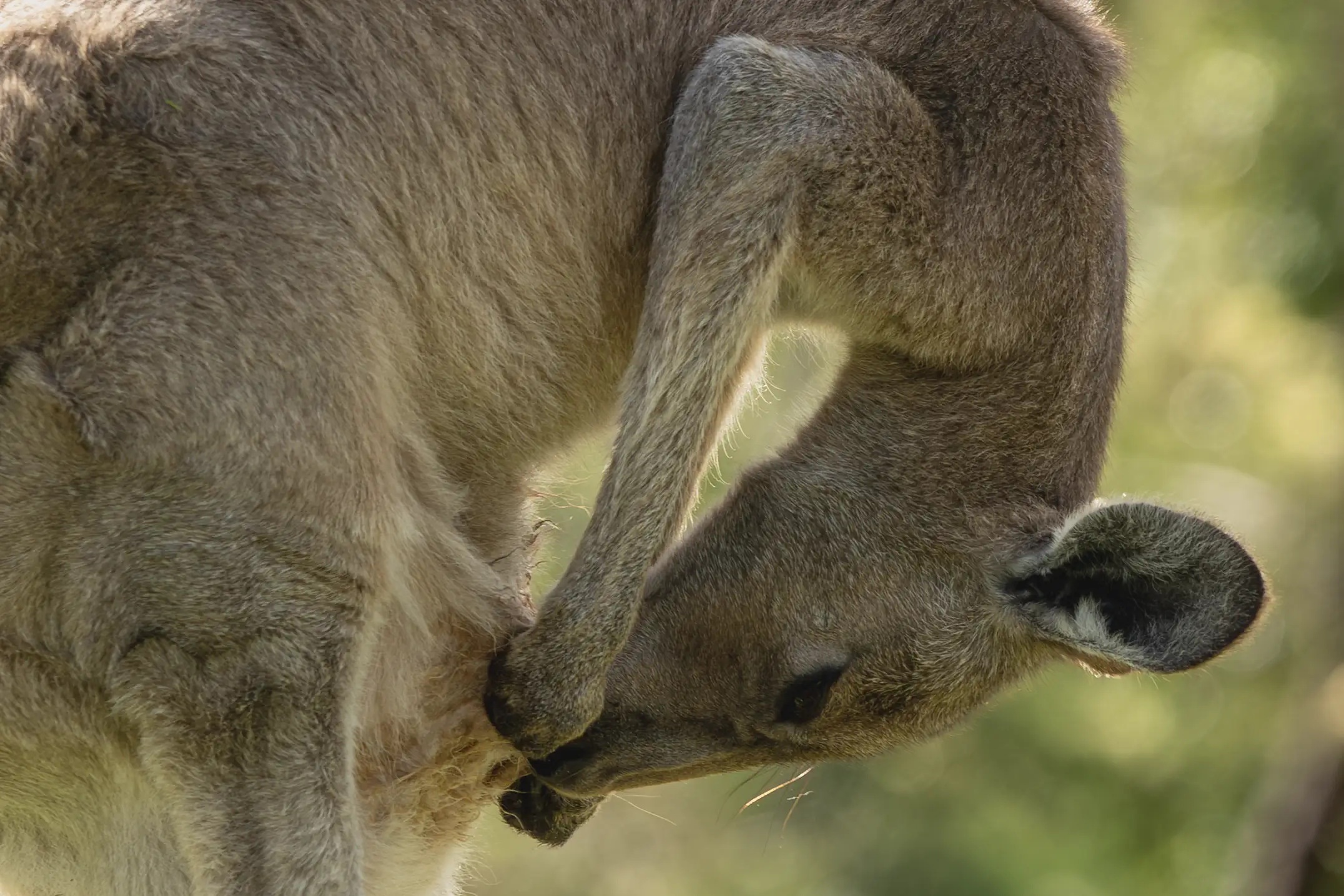

Long banned, a newly proposed amendment seeks to carve out an exception to the protection for Kangaroos, provided that the animals were killed for commercial gain for their skins and meat (a trade in wildlife) in accordance with Australian law.
The Senators’ Kangaroo Protection Act would ban the sale and manufacturing of products made from Kangaroo skin, as well as the sale of Kangaroo skin itself.
U.S. Senators join Umbro in saying “no” to the trade in Kangaroo parts, aligning with Nike, New Balance, Puma, adidas, and other athletic shoe retailers on their sourcing practices.
Years of effort from the Kangaroos are not shoes team scores again.
This analysis discusses the events in the United States regarding concerns about Kangaroo welfare issues and resulting actions.
Washington D.C. Leading a bipartisan group of three Republicans and three Democrats as sponsors introduced the Kangaroo Protection Act, H.R. 4995 to ban the sale of kangaroo body parts in the United States.
So we tell stories about Kangaroos around the world as we work to bring some justice and peace and the right for these beautiful animals to live their lives, free of the cruelties they now endure.
This analysis is a rebuild of annual Kangaroo population estimates, commercial quotas and actual take from 1980, including the population estimate data removed from the public gaze.