A day without tomorrow: Wildlife in New South Wales and Victoria in 2025

Life on land


Your support will assist us to continue our research and content development, the greater our resources, the more we can do.
The more we have an accurate understanding of what is happening to nature, the more we can all do to protect what remains of our living planet.
This is also an opportunity for philanthropists to be part of an ongoing project that tells independent stories about the natural world, stories that will help us to better understand what is happening to species and places on our precious planet Earth.
Note: Creative Cowboy Films does NOT have tax deductible charity status.
Becoming a member of Creative cowboy films The Nature Knowledge Channel is a very real way you can help the precious natural world and support the work we do in creating knowledge about what is happening to it.

The Nature Knowledge Channel is a very real way you can help the precious natural world and support the work we do in creating knowledge about the natural world.
Annual membership of the Creative cowboy films - Nature Knowledge Channel gives you full access to content, stories and films, available on this website. Becoming a member of the Creative cowboy films - Nature Knowledge Channel is a very real way you can help the natural world and support our work in creating a greater understanding about what is happening to it.
A point of difference
Creative cowboy films is independent, is not funded by governments or industry, and is not influenced by their associated interest groups. For reasons of independent research and content development, Creative cowboy films does NOT have tax deductible charity status.
Life on land
CONTEXT: Duck shooting in Victoria
Seven Duck species were targeted in 2025, seven duck species are being targeted in 2026. Six duck species were targeted in 2024.
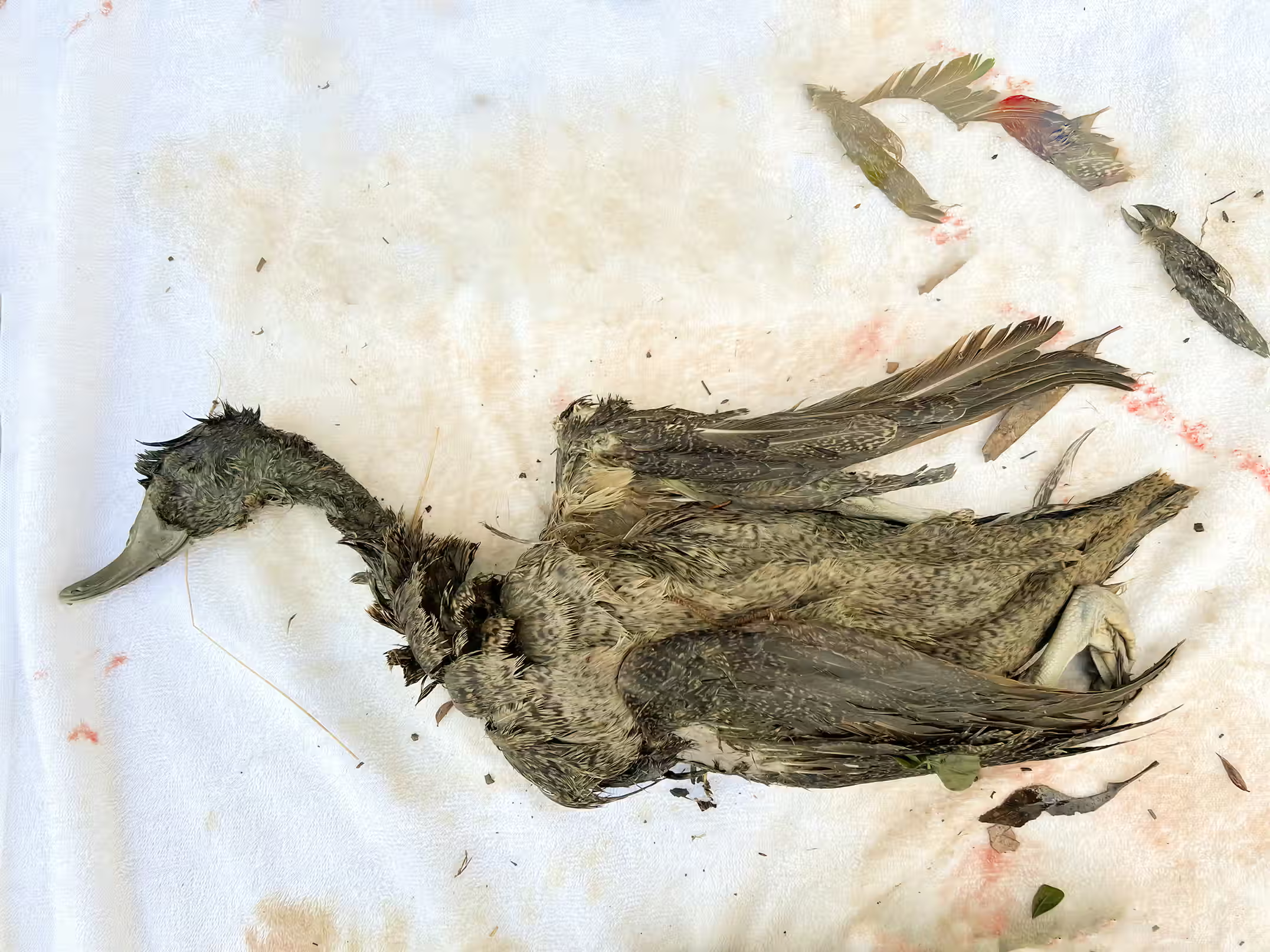
The total number of ‘protected’ Australian ducks shot in 2025 was estimated (Victorian Government) at 487,800 ducks, that is 46 per cent greater than the estimated long-term average of 334,200 and 25 per cent greater than the estimated 391,900 ducks shot in Victoria in 2024.
Species that suffered the most were:
We now have a reasonably good understanding of what happened to wildlife in New South Wales and Victoria in 2025 when government behest and promoted protected Australian wildlife killing activities are considered across the various mechanisms that allow for the mass scale killing. These mechanisms are, commercial exploitation, harms mitigation (known as ATCWs in Victoria), unprotection of protected species, secretive killing regimes (Koalas in Victoria for example) and ‘recreation’.

The numbers in this analysis include an estimate for the death of joeys which are unaccounted for, particularly in the case of Macropod species. These estimates are based on the sex distribution of the kill recorded in government data.
This data does not include the animals hit by vehicles in each state, illegal killing often involving threatened or endangered species such as the Wedge-tailed Eagle, the extensive use of, including in National Parks, indiscriminate poisons, some dropped from helicopters using Kangaroo meat as the vector, the increasing use of planned burns, including the use of aerial incendiary capsules, which are a sphere-shaped vessel containing potassium permanganate, which when injected with mono-ethylene glycol undergoes an exothermic reaction, resulting in ignition. All this plus the extensive blocking of wildlife rescue attempts by government, particularly in Victoria, that means animals suffer and are likely to die slowly and without rescues and care. We should also remember that Australian species are highly valued around the world and threats from the illegal wildlife trade are likley to be extensive, particularly for insect, reptile and bird species.

Note: One of the despicable and recent acts in Victoria was that the threatened duck species, the Hardhead, was delisted in 2024, so that it could be hunted on Victoria’s wetland systems in 2025, including Ramsar sites. The Hardhead was the only delisting in Victoria in that year, the claim being there was no evidence of decline. In 2025 around 5,000 Hardheads were shot for fun and recreation. The Hardhead was not on the recreational shooting list in South Australia and Tasmania where it remains protected and is a non-permitted species.
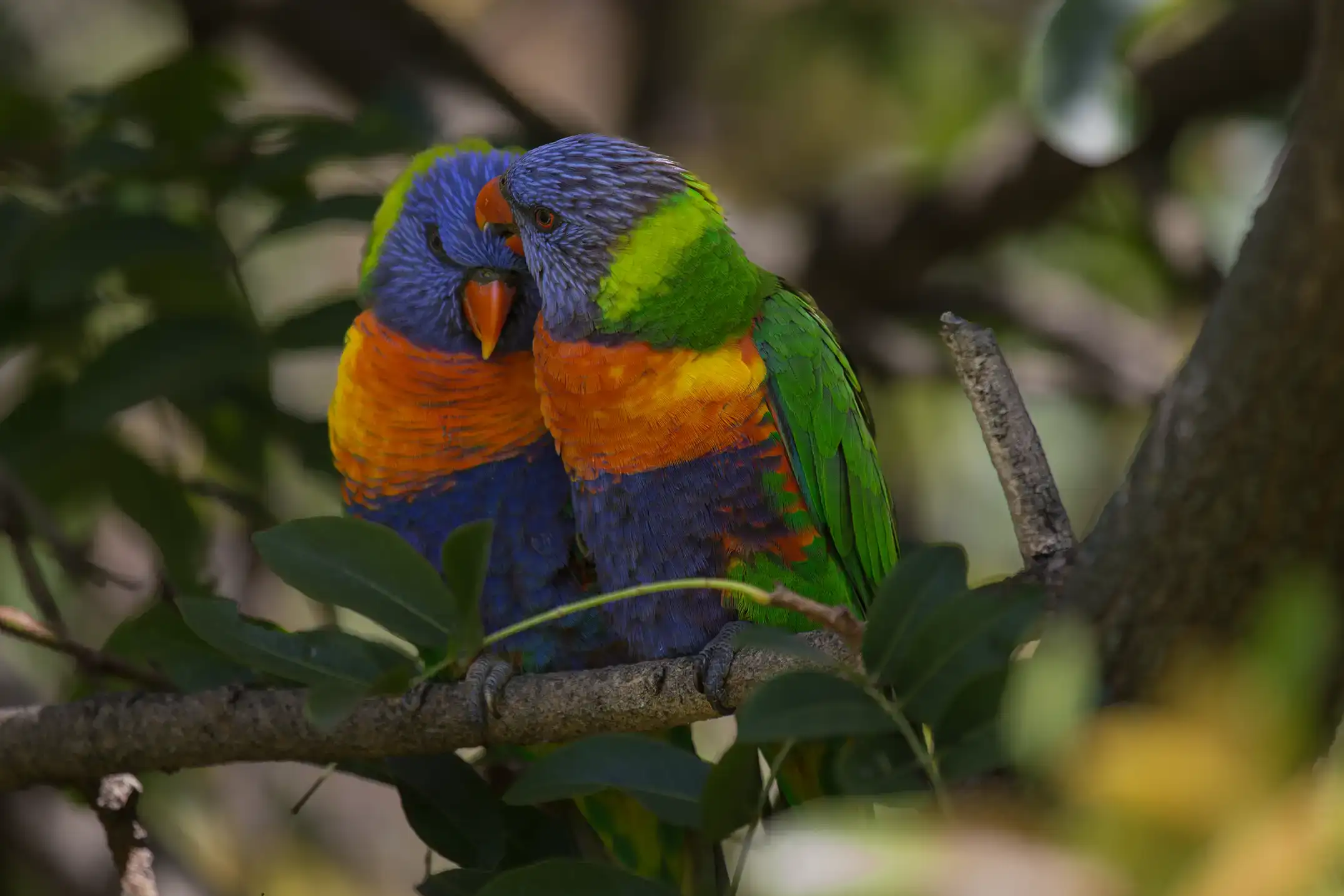
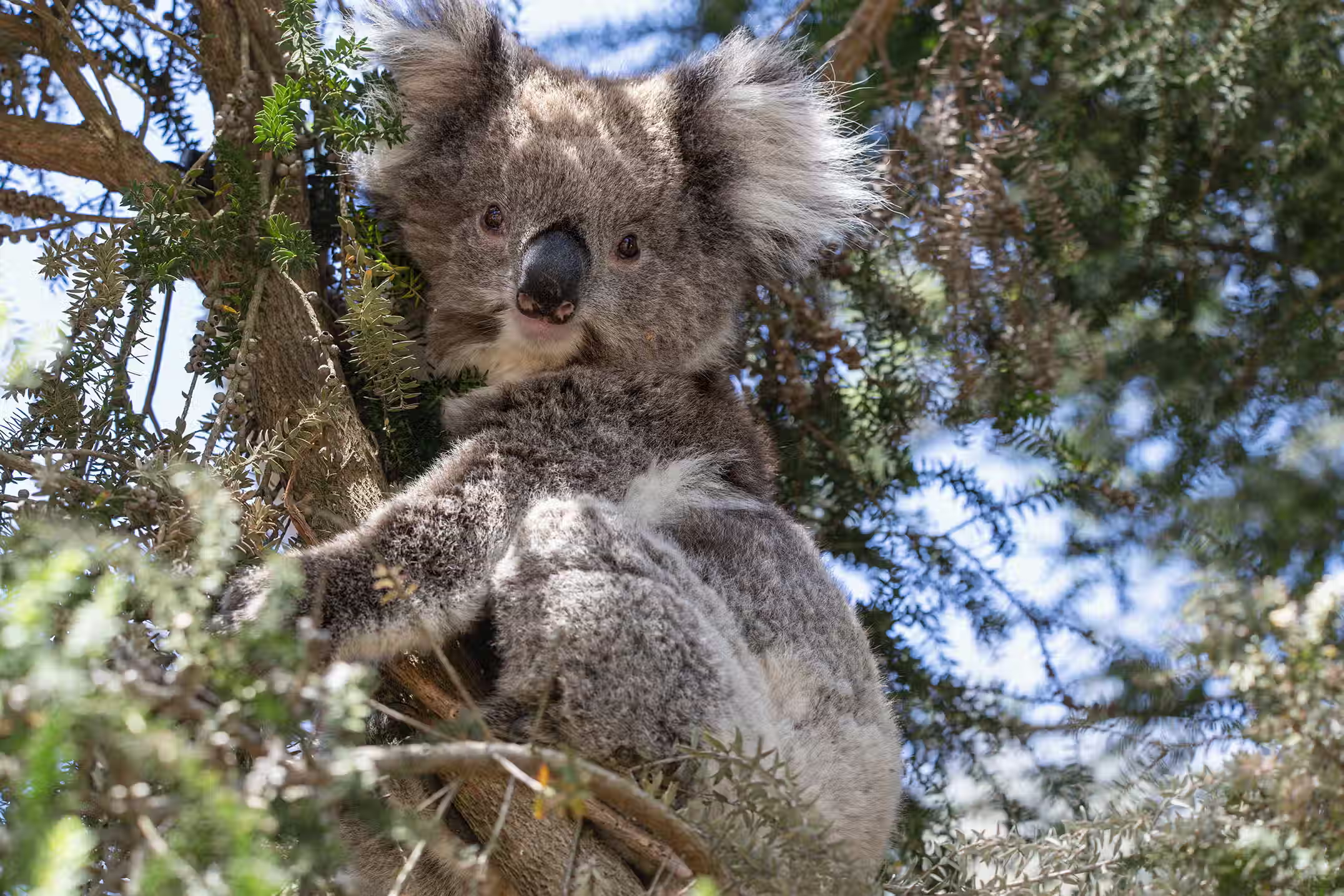
“The Australian island that could be the key to Koalas' survival” Le Monde
It was only a few weeks ago that a large number of Koalas died in fires, rescuers blocked until it was all too late, in the West of Victoria. This time we head to the south- east of Melbourne, and French Island, in Western Port Bay. Yet again, neglect and procrastination resulting in an outcome the world should revile. Yet again we see the 30 per cent rule apply in the most recent kill, that is, an increase in the percentage of Koalas being killed by the Victorian Government during health checks when compared to past practice pre-COVID. So this is what the Victorian Government says occurred, of the 346 Koalas captured and assessed 105 were killed and 62 of the surviving females were given hormone implants.

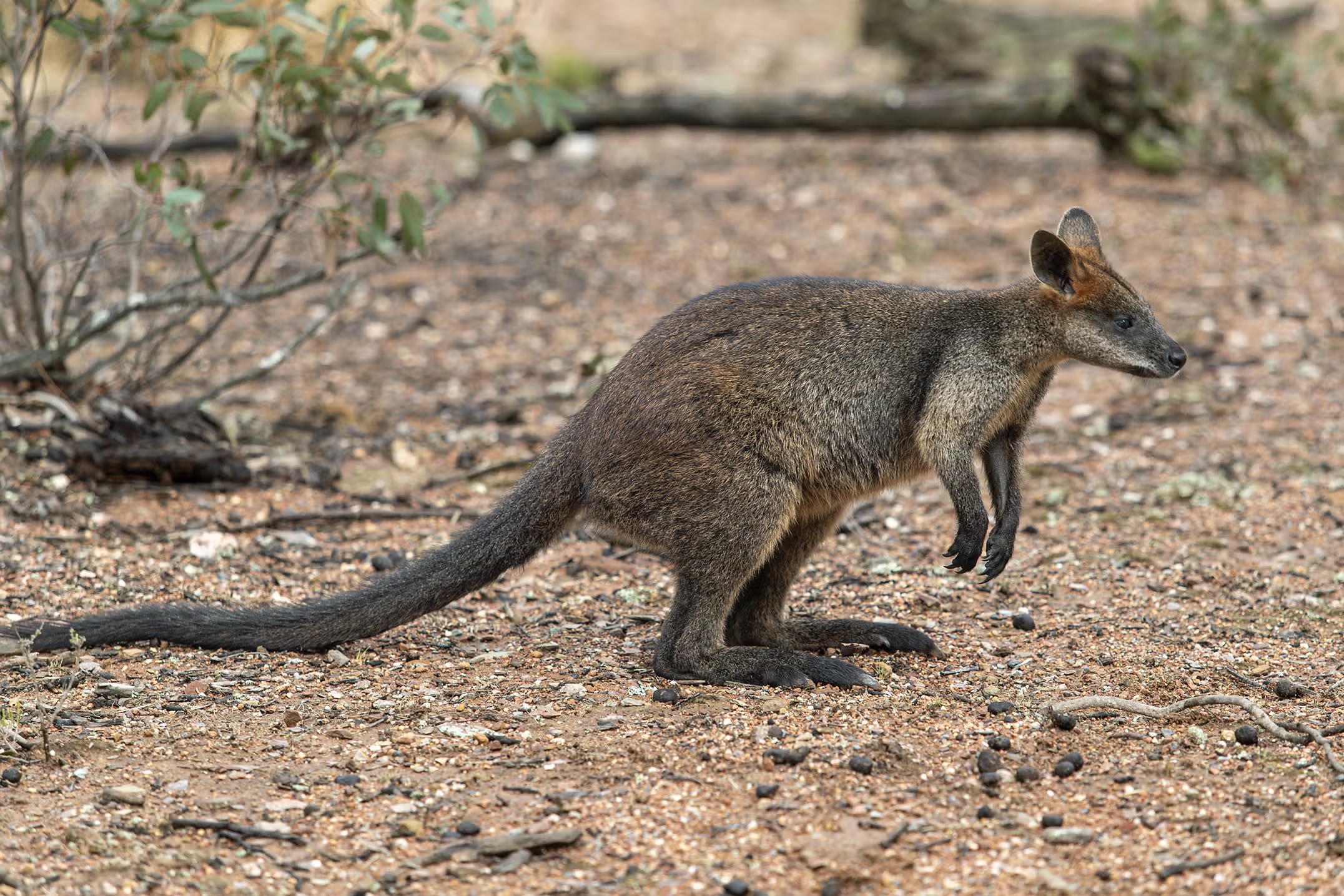
At a time of very significant climate events the Government of New South Wales is killing an increasing number of protected native animals using its Harms Permit System, that is just on half a million in 2025.
What happened, the New South Wales Government Inquiry into the Health and wellbeing of Kangaroos and other Macropods in New South Wales?
In 2025, ATCW permits for lethal control targeted 230,673 protected Australia native animals, in 2025 the number targeted for lethal control using ATCWs was 2.5 times greater than in 2022
1980-2026: This analysis provides an update of the population estimates, quotas and actual kill for commercially exploited Macropods in shooting zones by state and all Australia mainland.
The population estimate for Kangaroos in New South Wales has fallen to 9,586,809 from 13,910,688, resulting in a decline in commercial quota for 2026 of 733,927 Kangaroos.
An increase in the population estimate for Grey Kangaroos in Victoria, leading to a 2026 quota of 207,800, a decrease of the commercial quota when compared to 2025 of 22,150 (the commercial component now being 95,450).